Summary
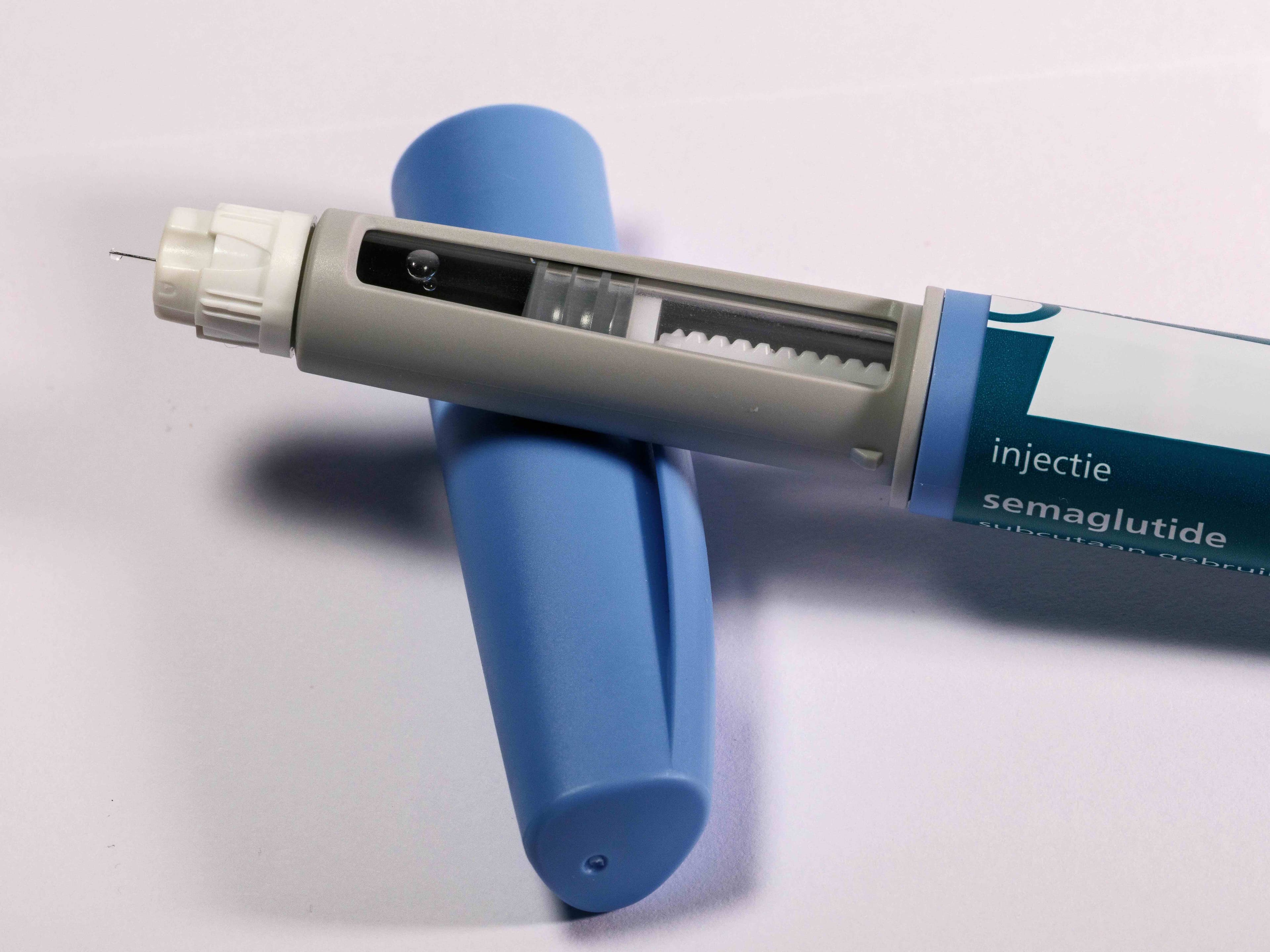
GLP-1 medications are often mentioned in conversations about metabolic health and weight support. This article explains, in plain language, what GLP-1s are, how they work in the body, and why some patients explore them as part of a clinician-guided care plan.
What are GLP-1 medications?
GLP-1 stands for glucagon-like peptide-1, a hormone your body naturally produces. This hormone plays a role in how the body manages blood sugar, appetite, and digestion.
GLP-1 medications are designed to mirror some of these natural effects. They have been studied and used in medical settings for years and are prescribed only when a licensed clinician determines they are appropriate.
These medications are not intended to replace healthy habits and are not suitable for everyone. Individual evaluation is always an important first step.
How GLP-1s work in the body
In general terms, GLP-1 medications interact with receptors involved in metabolic signaling. They may:
- Support the body's response to insulin around meals
- Slow stomach emptying, which can influence fullness
- Affect appetite-related signals in the brain
Because these processes vary from person to person, outcomes can differ based on overall health, lifestyle, and medical history.
Why patients ask about GLP-1s
Many patients seek additional support when traditional approaches alone haven't felt effective or sustainable. GLP-1s are sometimes discussed as part of a broader, clinician-guided plan focused on long-term health rather than quick fixes.
Telehealth models allow patients to have these conversations in a more accessible, ongoing way, with professional oversight built in.
Key takeaways
- GLP-1 medications are based on a naturally occurring hormone
- They influence appetite, digestion, and metabolic signaling
- Medical guidance is essential to determine appropriateness
If you're interested in learning whether GLP-1–guided care may fit into your overall health goals, a structured telehealth assessment can help clarify next steps.